

Your Book Awards Cheat Sheet
plus your weekly book recs (of course)

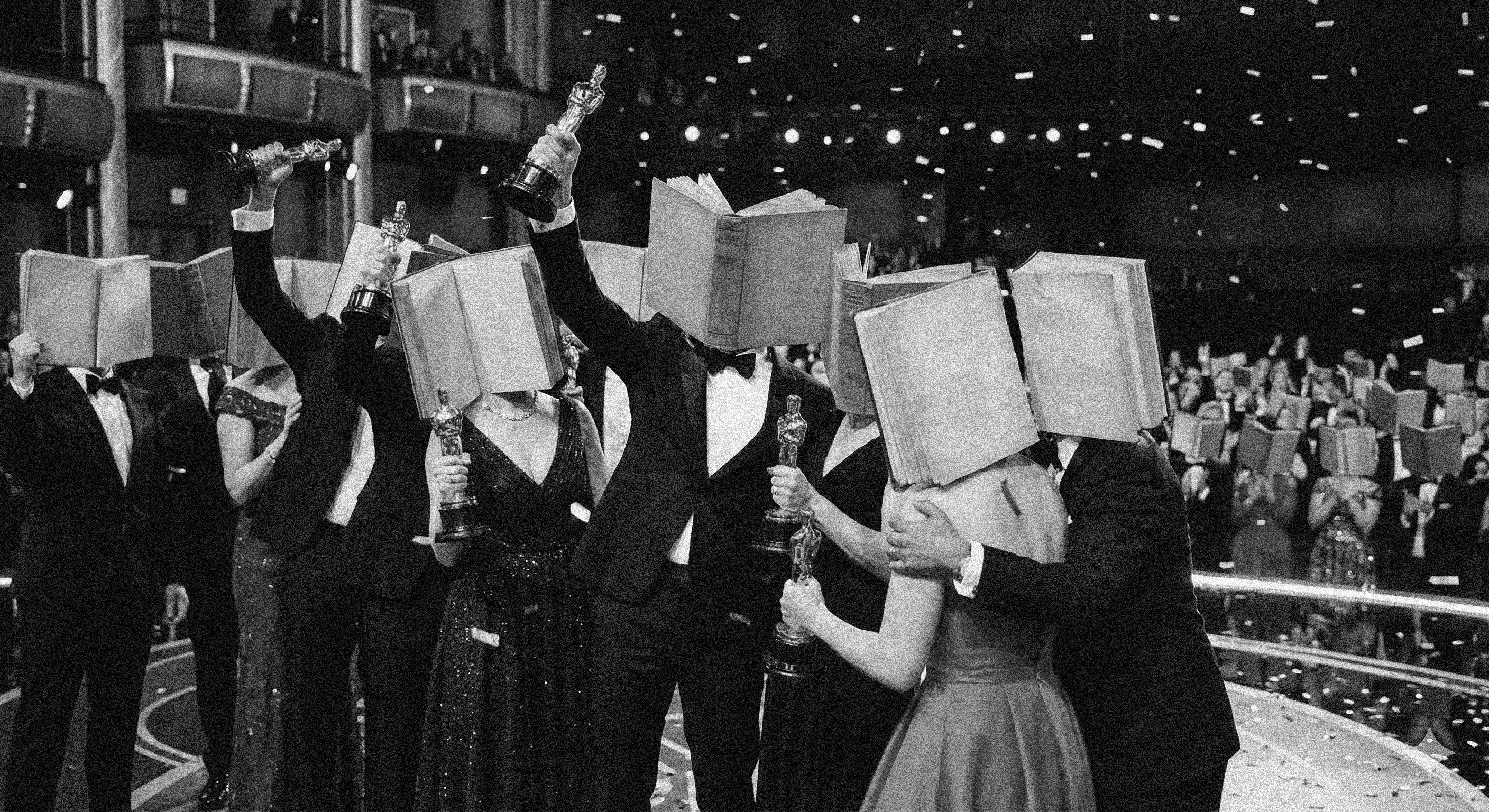
As much as I hate to say it, I am a SUCKER for awards shows. Grammys, Oscars, Emmys—for some reason I think it’s really fun to watch people curate the best art from a particular medium, pit them against each other, and emerge with a winner.
Do I see the massive problems in treating art this way? Yes. Is it a product of commercialism? Yes. Is it capitalism’s dirty fingerprints on something that was never meant to be competitive? Probably. Maybe? Okay yes it is.
But hey, I like what I like. I’m sorry.
And if you’re a reader—or someone who wants to read more—odds are you’re like me. You take seriously those books that get a special little emblem on the cover announcing they won something. You hear that a novel won the Booker Prize and think, that sounds important, I should probably read that. Then you pick it up and spend three weeks slogging through something that makes you feel stupid before quietly abandoning it on your nightstand, where it will sit for the next eight months judging you.
Or you notice a book won the Edgar Award and skip right past it, because you don’t read mysteries—not realizing that some of the most propulsive, psychologically complex fiction of the past decade has come from that category.
The problem isn’t the book awards. The problem is that no one ever taught you how to read them.
Literary awards are actually one of the most underrated curation tools available to readers. They’re not perfect—more on that in a moment—but they represent a group of people who read hundreds of books, argued about them passionately, and decided that certain ones deserved recognition. That’s curation, not an algorithm optimizing for clicks or a bestseller list measuring sales volume. It might be the most human of the “lists” out there.
The trouble is, different awards are looking for different things. The Pulitzer doesn’t value the same qualities as the Hugo. The Edgar and the Booker might as well be operating on different planets. If you don’t understand what each award is actually rewarding, you’ll keep picking up books that were never meant for you and wondering why you can’t finish them.
Here’s where Read Your Color becomes useful. Once you know what kind of reader you are—what you’re actually hungry for when you open a book—you can decode which awards consistently produce books that will work for you. You stop blindly chasing prestige and start strategically mining prize lists for exactly the kind of reading experience you’re looking for.
What’s so rich about these award lists (the winners, the shortlists, and the longlists) is that some of the best reading you’ll do this year won’t come from this year’s winners. It will come from going deep into award backlists. The 1987 Edgar winner. The 2003 Nebula nominee. The Booker shortlist from 1991. These books have been vetted by time and by thoughtful readers, and most of them are sitting on shelves right now, waiting for you to discover them. I can’t tell you the amount of books I have fell in love with that have under 100 reviews on amazon but were on a list from a books award in the 90s. There’s something thrilling about pulling a twenty-year-old award winner that none of your friends are talking about and being the person who found the hidden gem.
Do awards miss good books? Of course. The literary establishment has blind spots, and plenty of brilliant novels never make it past the first round of judging. Do awards sometimes elevate books that really aren’t that good? Also yes. Committees can be swayed by politics, by what feels “important” in the moment, by the accumulated prestige of certain authors.
But even an imperfect curation system is better than no curation system at all. An award-winning book might not be your favorite book of the year, but it’s almost certainly better than picking something up at random from the front table at the bookstore because you liked the cover. Awards give you a floor. They’re telling you: this book was good enough that serious readers thought it deserved recognition. That’s not nothing.
So let’s break it down. Here’s how to translate the major literary awards into your reading color.
The Color-Coded Awards Cheat Sheet
Yellow Readers: Watch These Awards
Women’s Prize for Fiction — Character-driven, emotionally resonant fiction. The prize tends to favor character-driven, emotionally resonant fiction—balancing accessibility and emotional truth alongside literary quality.
Goodreads Choice Awards (Fiction) — Voted on by actual readers, not critics. These books connected with millions of people—which usually means strong characters and emotional cores. The crowd knows what moves them. Goodreads is really a yellow readers platform in my opinion, so this works out great.
Costa Book Awards — Now defunct, but the backlist is rich. These were chosen for novels of the highest literary merit that are also enjoyable. That’s the Yellow sweet spot.
Red Readers: Watch These Awards
Edgar Awards (Best Novel) — The Mystery Writers of America have given these out since 1946. If you want intensity, stakes, and a propulsive plot, the Edgars rarely disappoint.
Bram Stoker Awards — Horror done right. Named after the author of Dracula, these honor work that gets under your skin and stays there.
Goodreads Choice Awards (Mystery/Thriller and Horror) — Again, readers voting for what kept them up at night. Requires a bit more research to ensure it’s what you are looking for — but not a bad place to start.
Orange Readers: Watch These Awards
Hugo Awards — Voted on by fans attending WorldCon, these honor science fiction and fantasy that captures the imagination. Dune, Ender’s Game, The Left Hand of Darkness—the Hugo list is a wonder-seeker’s goldmine.
Nebula Awards — Given by the Science Fiction and Fantasy Writers of America (professional writers honoring their peers), these tend toward slightly more literary SF/F while still prioritizing wonder.
World Fantasy Award — If you want imaginative fiction that pushes boundaries, the WFA shortlists are consistently adventurous.
Green Readers: Watch These Awards
Pulitzer Prize (General Nonfiction) — Rigorous, deeply researched work that changes how you understand something important. The Pulitzer board doesn’t play.
National Book Award (Nonfiction) — American nonfiction at its most ambitious. These books tend to have strong theses and clear structures.
Royal Society Science Book Prize — For science writing specifically. If you want the world explained clearly and accurately, this is your list.
Cundill History Prize — One of the world's largest prize for historical nonfiction, awarded annually by McGill University. Winners combine scholarly rigor with exceptional narrative craft—these are books that read like novels but change how you understand the past. If you want history that's both serious and gripping, this list delivers.
Blue Readers: Watch These Awards
Pulitzer Prize (Fiction) — Literary fiction with moral weight. The Pulitzer tends toward books that matter—that grapple with history, identity, ethics, meaning.
National Book Award (Fiction) — Similar sensibility. These books aim to do something significant.
International Booker Prize — International literary fiction at the highest level. Dense with ideas, wrestles with big questions, rewards close attention.
Purple Readers: Watch These Awards
Booker Prize — Yes, again. But Purple readers should look for the stranger nominees—the formally inventive ones, the books that made critics argue about whether they were even novels.
International Booker Prize — Translated fiction often arrives from traditions with different conventions. The formal surprise factor is high.
National Book Critics Circle Award — Critics celebrating critics’ favorites. These books tend toward the intellectually ambitious and the formally daring.
The Cross-Color Awards
Some awards consistently produce books that work for multiple colors, and it’s worth knowing which ones to watch regardless of your home base.
The Pulitzer Prize for Fiction crosses Blue and Purple territory—it values both meaning and craft, honoring novels that grapple with significant themes while also demonstrating literary excellence. A Pulitzer winner might move you deeply (Blue) or dazzle you with its formal ambition (Purple), and often both.
The Booker Prize can serve Yellow, Blue, or Purple depending on the year. Some years the winner is a sweeping family saga full of aching relationships; other years it’s a philosophical meditation on history; other years it’s something formally strange that reinvents what a novel can be. Check the specific book’s description before diving in—the Booker’s range is its strength, but it means not every winner will speak to every reader.
The Hugo and Nebula Awards serve both Orange readers (wonder-seekers drawn to imagination and world-building) and sometimes Green readers (especially when the science fiction is idea-driven hard SF that illuminates real scientific concepts). If you’re an Orange reader, start with the fantasy winners; if you’re Green, look for the hard science fiction nominees.
The Goodreads Choice Awards are useful for every color because they’re organized by genre. Fiction, Fantasy, Mystery, Romance, Nonfiction, Memoir—find your category. These are voted on by millions of actual readers, not critics or industry professionals, which means the winners tend to be books that genuinely connected with people rather than books that impressed gatekeepers. Trust the crowd’s enthusiasm, then filter by your color.’
…
And now to your usual weekly book recs!
Your Weekly Book Recs
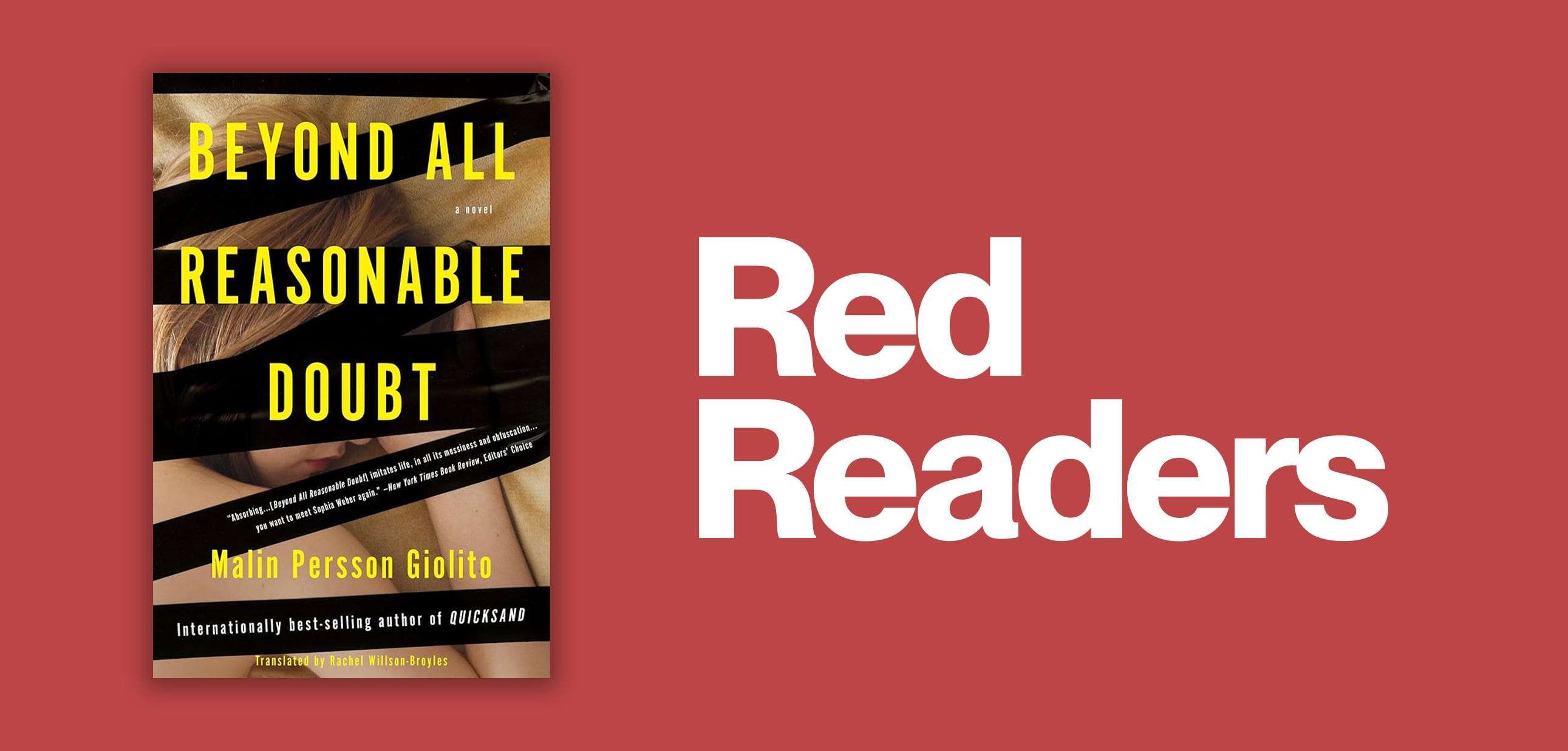
🔴 Red Reader
Beyond All Reasonable Doubt by Malin Persson Giolito (Translated by Rachel Willson-Broyles)
A Stockholm defense attorney takes on a thirteen-year-old murder conviction that may be wrongful—but Giolito, herself a former lawyer, refuses to give you the clean resolution you’re expecting. Nordic noir at its most intelligent: chilling, complex, and willing to leave you with more questions than answers.
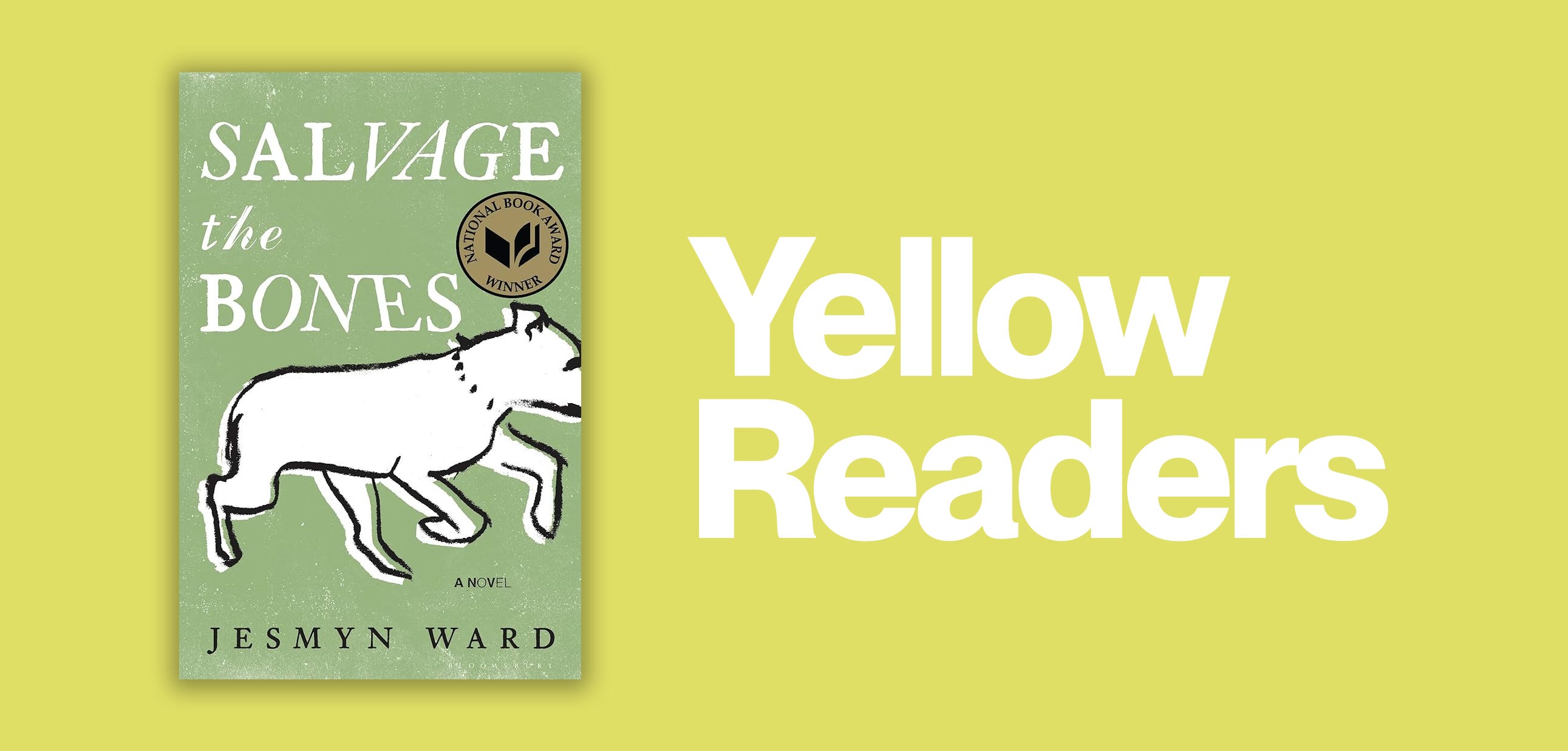
🟡 Yellow Reader
Salvage the Bones by Jesmyn Ward
Winner of the 2011 National Book Award, this novel follows fifteen-year-old Esch and her three brothers through the twelve days before Hurricane Katrina makes landfall in Mississippi. Ward writes with fearless, lyrical language about motherless children protecting each other with whatever they have—and about what survives when everything else is destroyed.
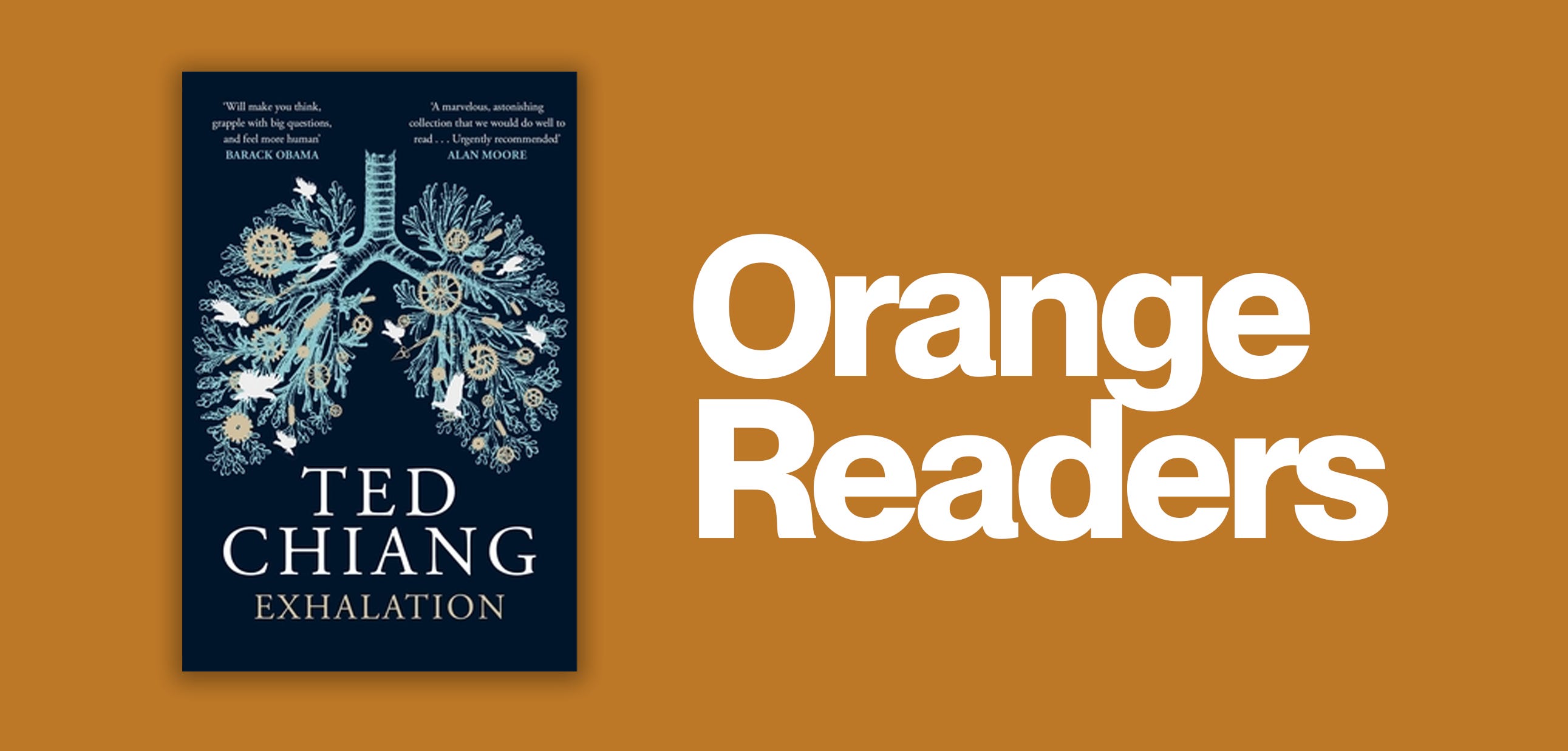
🟠 Orange Reader
Exhalation: Stories by Ted Chiang
Nine stories from the author whose work became the film Arrival. Each takes a single scientific or philosophical premise—mechanical beings discovering entropy, a device that predicts your actions before you make them, a digital consciousness raised like a child—and follows it to conclusions that feel both inevitable and astonishing. Science fiction at its absolute best.
🔵 Blue Reader
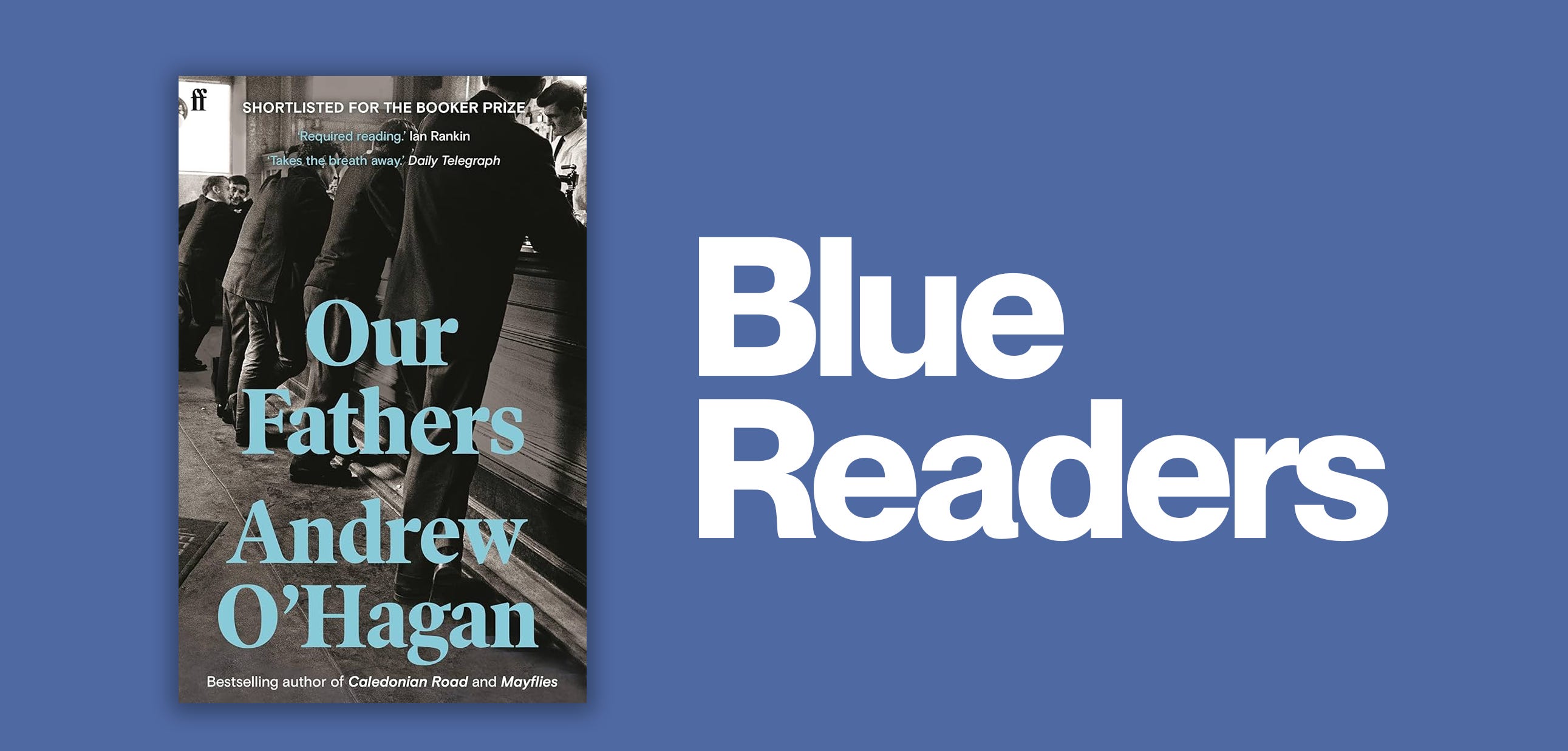
Our Fathers by Andrew O’Hagan
Shortlisted for the Booker Prize, this debut novel follows Jamie Bawn as he returns to Scotland to watch over his dying grandfather—once a visionary social reformer who built tower blocks for the working class, now under investigation for corruption. A devastating examination of what fathers pass down to sons, what idealism becomes when it curdles, and whether any of us can escape our inheritance.
🟢 Green Reader
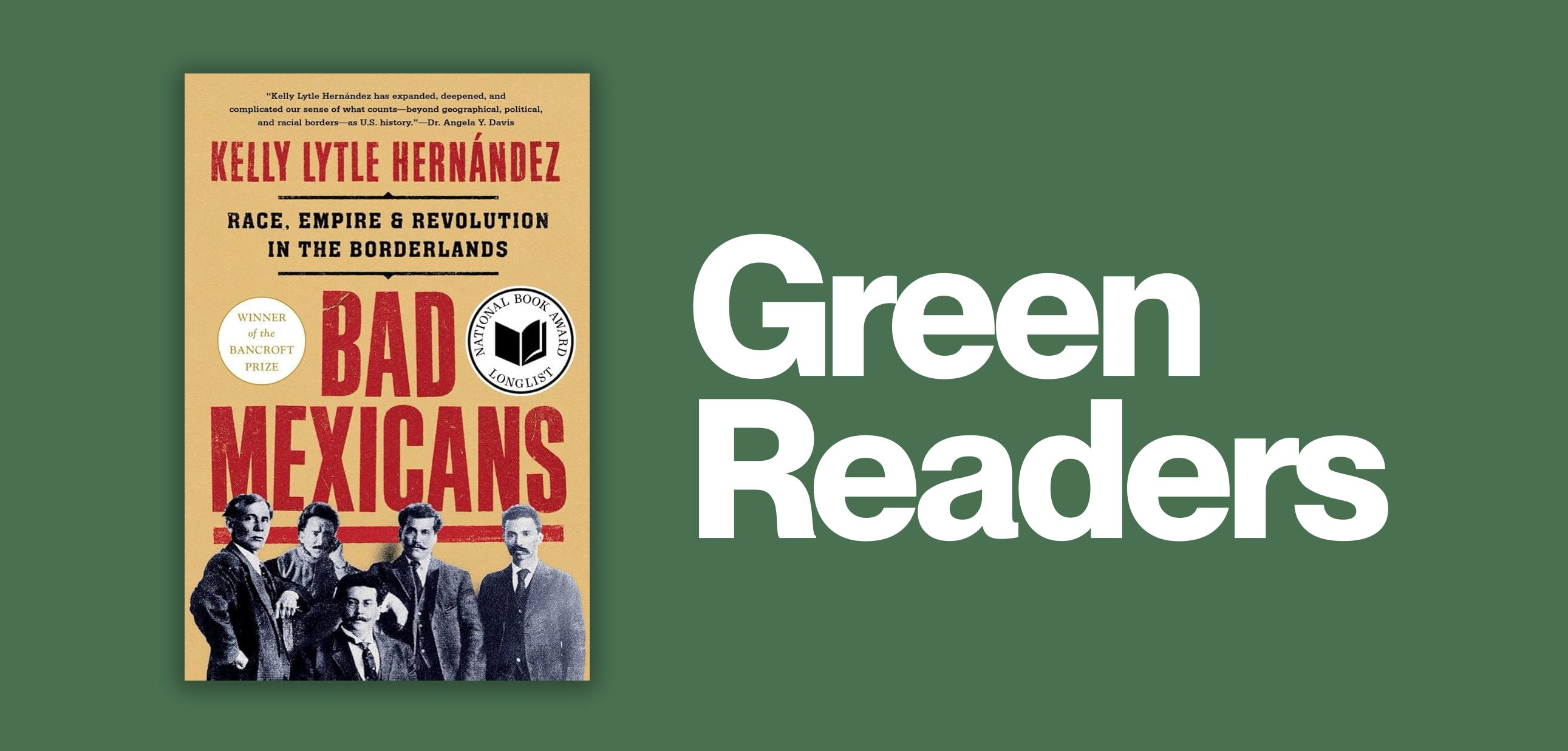
Bad Mexicans: Race, Empire, and Revolution in the Borderlands by Kelly Lytle Hernández
Winner of the Bancroft Prize and longlisted for the National Book Award, this is narrative history that reads like a thriller. Hernández tells the story of the magonistas—the migrant rebels who sparked the 1910 Mexican Revolution from U.S. soil, hunted by multiple federal agencies while organizing thousands of workers to overthrow a dictator. Essential reading for understanding the roots of the Mexican-American experience.
🟣 Purple Reader
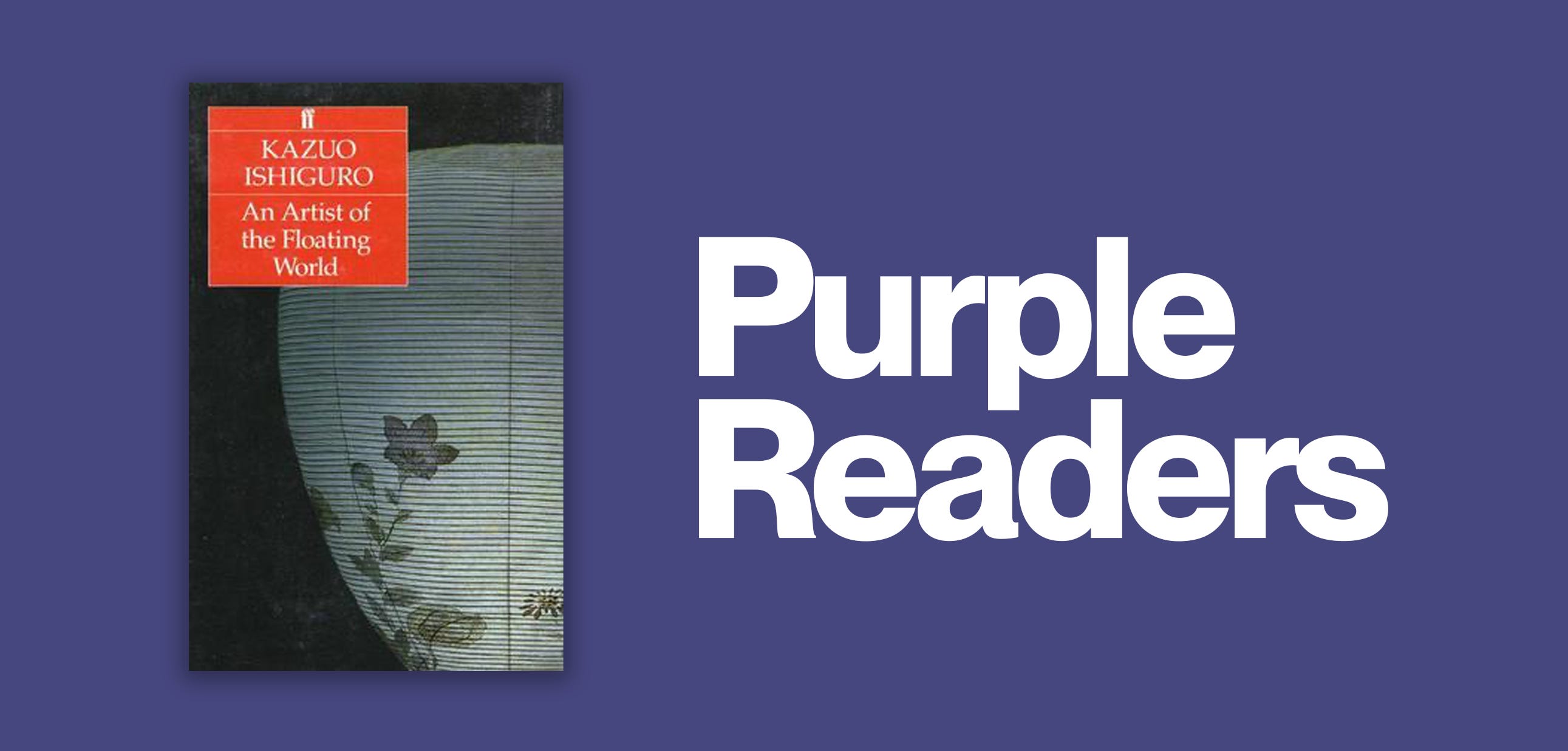
An Artist of the Floating World by Kazuo Ishiguro
Before the Nobel Prize, Ishiguro wrote this—a novel so subtle you might finish it uncertain about what actually happened. Masuji Ono is an aging painter in post-war Japan reflecting on a career that once brought prestige and now brings shame. He may have been a propagandist. He may have betrayed a student. Or maybe he’s exaggerating his own importance. One of literature’s great unreliable narrators, in a formally elegant meditation on guilt and memory.
…
Happy Reading!
Purple readers (in the UK and beyond) should start with the Goldsmiths Prize. Novels that break the mo(u)ld? Yes, please!
All fascinating stuff! But I wonder: Where does poetry fit in with all of this? Colors, awards, recommendations…??